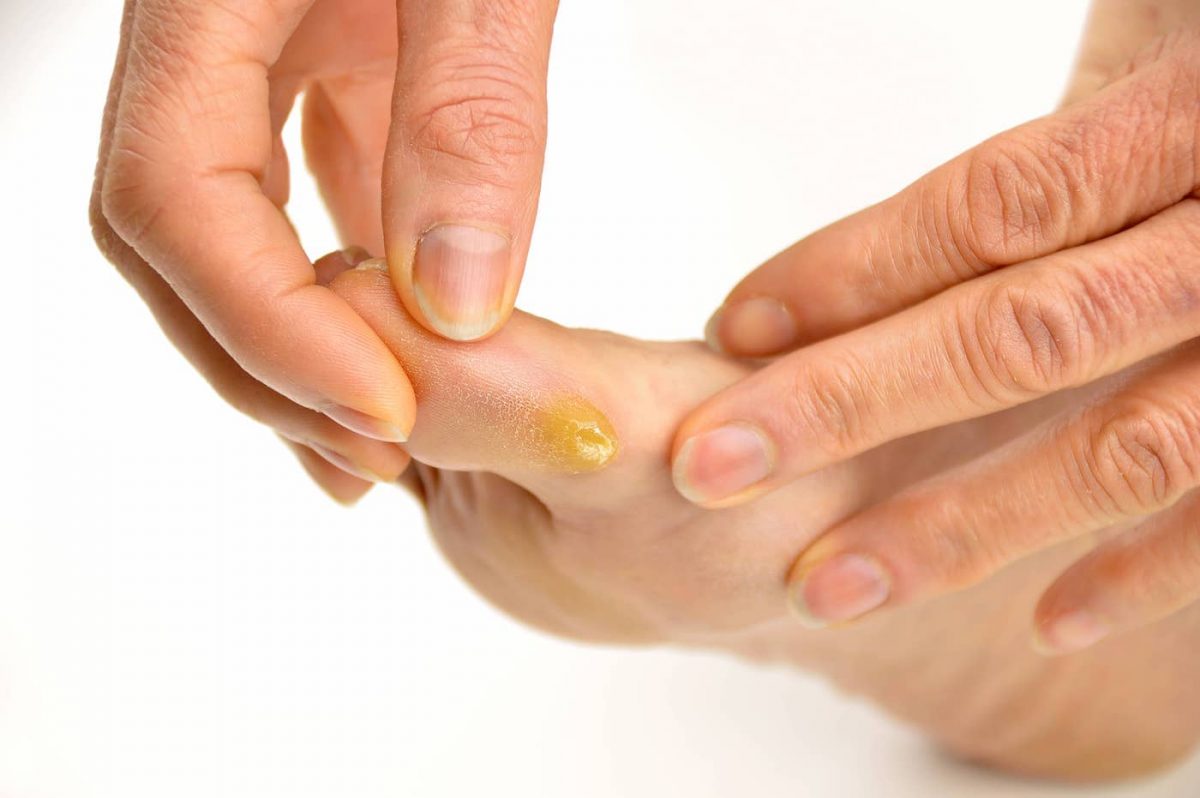
Of all the places we might expect an uninvited guest to take up residence, our fingernails and toenails probably aren’t high on the list. Yet, for millions of people, that’s exactly what happens in the form of a nail fungus infection, medically known as onychomycosis. This common condition is more than just a cosmetic concern; it can cause pain, thickening, and embarrassment. The good news? Understanding its causes, treatments, and prevention can help you reclaim the health of your nails.
The Unseen Invader: What Causes Nail Fungus?
At its core, nail fungus is an overgrowth of microscopic organisms—usually dermatophytes, but sometimes yeasts or molds—that thrive in specific conditions. Think of these fungi as tiny seeds that need the right environment to sprout. The main culprits that create this environment are:
- Warm, Dark, and Moist Places: Your feet, snug inside shoes and socks for hours, are the perfect five-star resort for fungi. Sweaty shoes create a damp, warm, and dark breeding ground where fungi can multiply rapidly.
- Direct Contact: The fungi that cause nail infections are contagious. They can spread from person to person in communal areas like public showers, swimming pools, and locker rooms. They can also spread from one nail to another on the same person, or even from a case of athlete’s foot (foot fungus).
- Minor Injuries: A small trauma to the nail—stubbing your toe, or wearing tight shoes that press on the nail—can create a tiny separation between the nail plate and the nail bed. This opening is all a fungus needs to sneak in and establish itself.
- Weakened Defenses: Individuals with a weakened immune system, diabetes, or circulatory problems are at a higher risk. Their bodies have a harder time fighting off the initial infection.
Reclaiming Your Nails: How to Treat Nail Fungus
Treating nail fungus requires patience, as nails grow slowly. It can take months to see a full recovery. The right treatment depends on the severity of the infection.
1. Topical Antifungals: For mild to moderate cases, medicated nail polishes or creams containing ingredients like ciclopirox or efinaconazole can be effective. The key is consistency—applying them daily or weekly as directed, often after filing down the infected part of the nail to help the medicine penetrate.
2. Oral Medications: For more stubborn or severe infections, a doctor may prescribe oral antifungal pills like terbinafine or itraconazole. These work from the inside out, helping the new nail grow in healthy. They are highly effective but require medical supervision due to potential side effects.
3. Professional Procedures: In some cases, doctors might recommend laser treatments, which use targeted light to try and destroy the fungus. For extremely painful and thick nails, temporary surgical removal of the nail might be an option to allow direct antifungal treatment to the nail bed.
Prevention is the Best Medicine: How to Avoid Nail Fungus
Stopping nail fungus before it starts is far easier than treating it. Incorporate these simple habits into your routine:
- Keep Feet Clean and Dry: Wash your feet daily and dry them thoroughly, especially between the toes.
- Choose the Right Footwear: Wear moisture-wicking socks and shoes made of breathable materials. Alternate your shoes to allow them to dry completely between uses.
- Protect Your Feet in Public: Always wear shower shoes, flip-flops, or waterproof sandals in public pools, gyms, and communal showers.
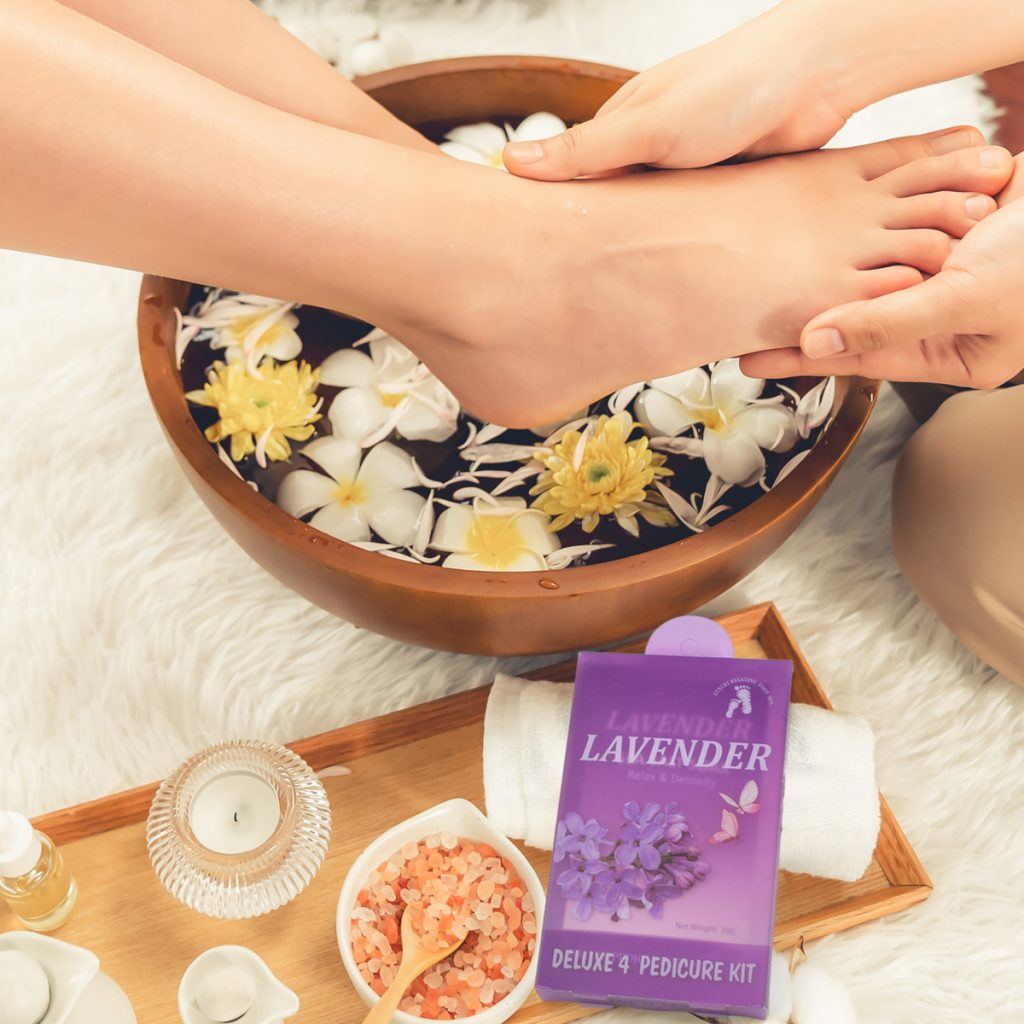
- Don’t Share Tools: Never share nail clippers, files, or towels with others, as this is a direct route for transmission. When getting a foot massage, it’s best to choose a disposable foot spa kit.
- Manage Foot Health: If you have athlete’s foot, treat it promptly to prevent it from spreading to your nails.
Safe Manicure and Pedicure Practices
Your grooming habits play a crucial role in both preventing infections and stopping their spread.
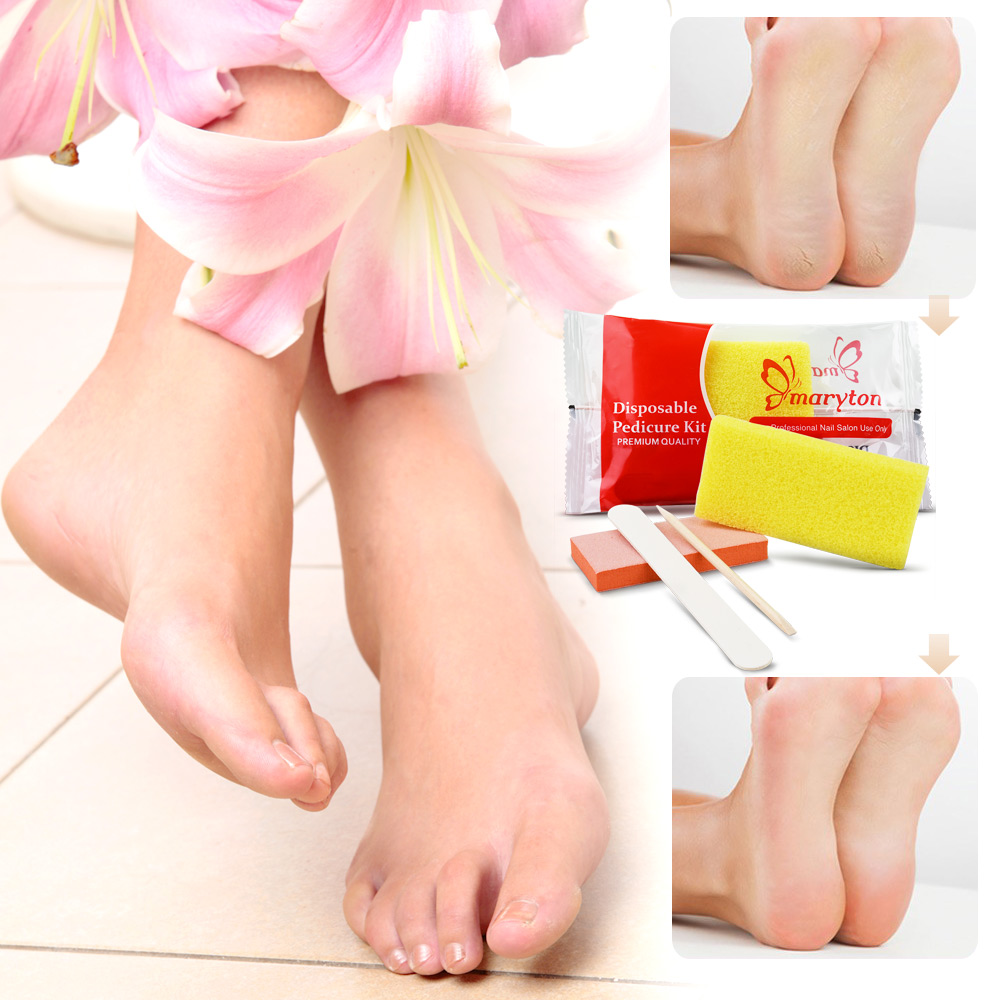
- Tool Sterilization: This is non-negotiable. If you go to a salon, ensure they use an autoclave for their metal tools. For at-home care, clean your clippers and files with soap and water after each use. For a deeper clean, you can wipe them down with 70% isopropyl alcohol.
- Regular Cuticle Care: The cuticle is a natural barrier that seals the base of the nail. Pushing them back gently is fine, but avoid cutting them aggressively. Damaged or cut cuticles can provide an easy entry point for fungi and bacteria.
- File Gently: File your nails straight across to keep them strong and prevent them from snagging, which can lead to small injuries. Avoid using overly harsh files that can create micro-tears in the nail.
Nail fungus can be a frustrating and persistent problem, but it is not invincible. By understanding how it thrives, pursuing consistent treatment, and adopting vigilant preventive and grooming habits, you can create an environment where your nails are healthy, strong, and fungus-free. Your nails are meant to protect you—return the favor by giving them the care they deserve.