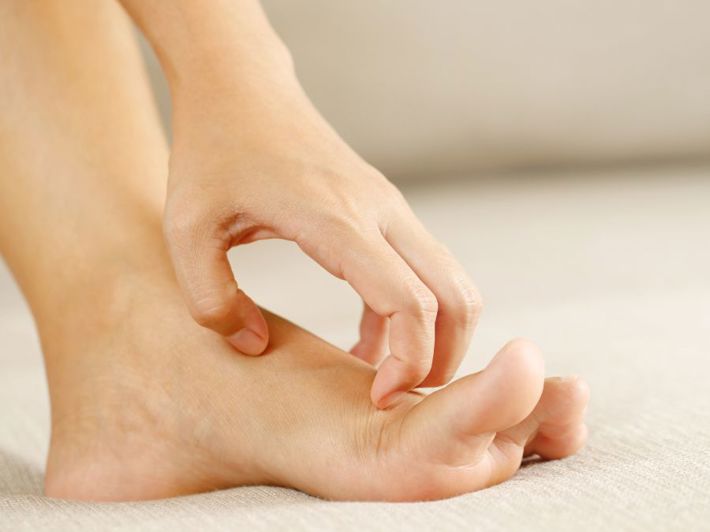
Foot calluses are thickened, hardened areas of skin that develop as a natural response to repeated friction or pressure. While common and often harmless, they can become unsightly or uncomfortable. Understanding their causes, remedies, and prevention is key to maintaining healthy, pain-free feet.
Symptoms and Causes: The “Why” and “What”
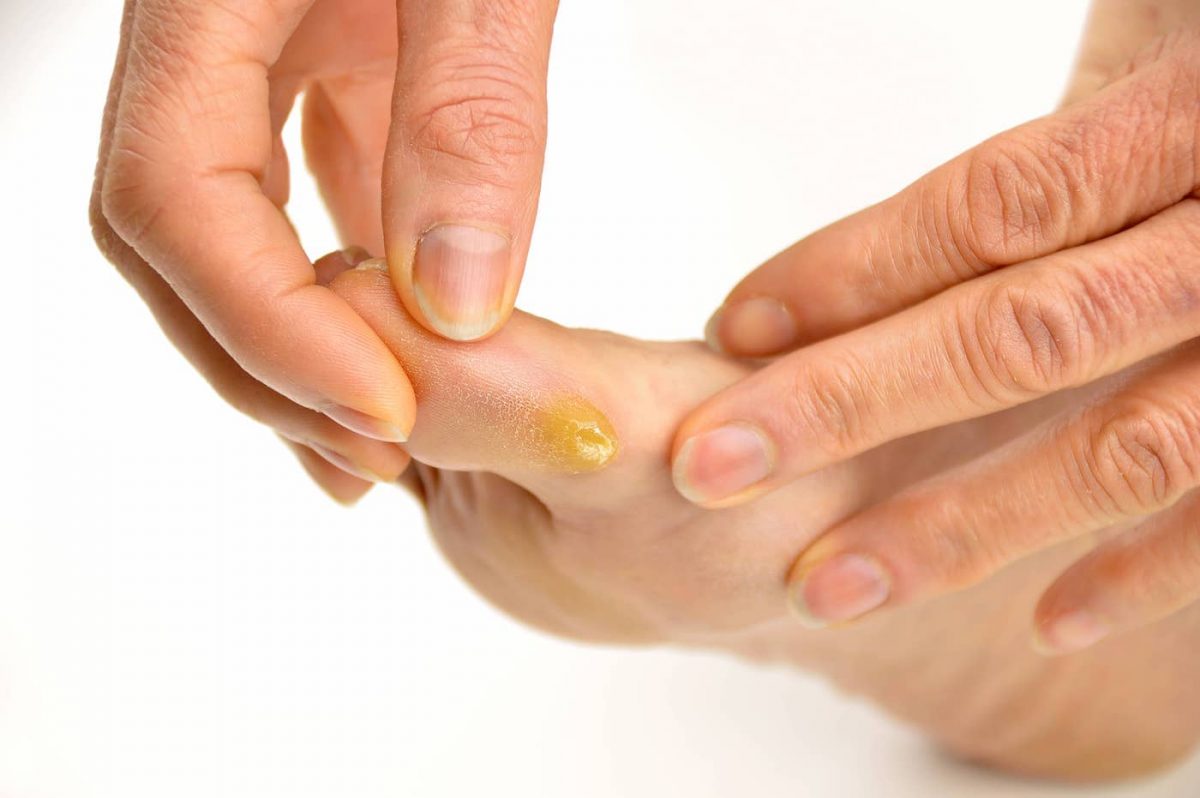
A callus is typically a broad, diffuse area of thickened skin, usually yellowish or grayish, found on weight-bearing parts of the foot like the heel, ball, or side of the big toe. It may feel rough, dry, and less sensitive to touch than surrounding skin. Occasionally, it can cause a dull ache or a burning sensation.
The primary cause is simple: excessive pressure or friction. This often stems from:
- Ill-fitting footwear: Shoes that are too tight, too loose, or have high, narrow toe boxes force skin to rub against the material.
- High-impact activities: Running or walking long distances, especially with improper form.
- Biomechanical factors: Bunions, hammertoes, or abnormal gait patterns can create uneven pressure points.
- Going barefoot: Regular walking without shoes increases friction.
- Dry skin: Skin that lacks moisture is more prone to hardening.
Gentle Natural Remedies for Removal
For mild calluses, several natural, at-home methods can help soften and reduce them safely. Always consult a doctor or podiatrist before treating calluses if you have diabetes, poor circulation, or fragile skin.
1. Warm Water Soaks: Soak feet in warm, soapy water for 15-20 minutes to soften the hardened skin. Adding a handful of Epsom salts can enhance the effect.
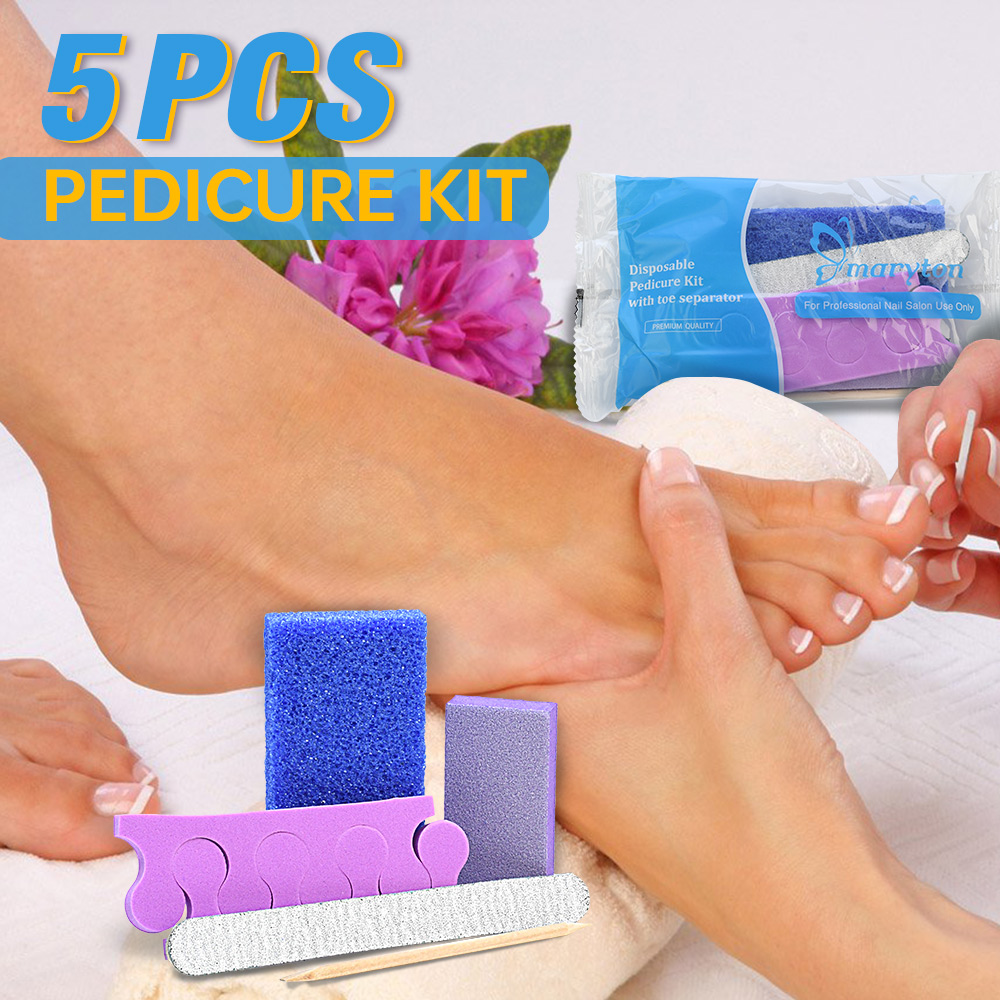
2. Gentle Exfoliation: After soaking, use a pumice stone or foot file. Gently rub the callus in one direction. Never use a razor blade or attempt to cut it off, as this can lead to infection.
3. Natural Moisturizers: Apply thick, emollient creams containing natural urea, shea butter, coconut oil, or vitamin E daily. For intensive treatment, apply before bed and wear cotton socks overnight.
4. Mild Acid Soaks: Soaking feet in a mixture of warm water and apple cider vinegar (a 3:1 ratio) for 20 minutes can help soften skin due to its mild acidic properties. Always rinse and moisturize afterward.
5. Baking Soda Paste: Make a paste with baking soda and water. Apply it to the callus, leave on for 10-15 minutes, then gently scrub. Baking soda has natural exfoliating properties.
Potential Harms: More Than Just a Nuisance
Ignoring persistent calluses can lead to complications:
- Pain and Discomfort: They can become thick enough to cause significant pain during walking.
- Altered Gait: To avoid pain, you may unconsciously change how you walk, potentially leading to joint pain in the knees, hips, or back.
- Skin Breakdown: Very thick calluses can crack under pressure, forming painful fissures that are vulnerable to infection.
- Underlying Issues: They can sometimes mask or exacerbate problems like foot ulcers, especially in individuals with diabetes or neuropathy.
Effective Prevention Strategies
Prevention is always better than cure. Adopt these simple habits:
- Choose Shoes Wisely: Wear well-fitting, supportive shoes with a wide toe box and adequate cushioning. Avoid high heels for daily wear.
- Use Protective Padding: Non-medicated felt pads, toe sleeves, or moleskin can shield high-pressure areas from friction.
- Practice Consistent Foot Care: Regularly soak, exfoliate gently, and moisturize your feet every day to keep skin supple.
- Manage Pressure: Custom orthotic insoles can correct biomechanical imbalances and distribute pressure evenly.
- Inspect Regularly: Check your feet weekly for early signs of thickening or redness.
In conclusion, foot calluses are a common defense mechanism of your skin. By understanding their causes, addressing them with gentle, natural care, recognizing their potential risks, and committing to proactive prevention, you can keep your feet smooth, comfortable, and healthy for miles to come. Listen to your feet—they carry you through life.