Cuticle Care: How to Treat Them Right
Your cuticles are small, but they play an outsized role in the health of your nails. Yet they’re often misunderstood, mistreated, or downright ignored. That little strip of skin at the base of your nail is not just there to get in the way of a perfect polish line. It’s a living barrier that protects your nail growth center from infection, water, and irritants. Understanding how to care for—not attack—your cuticles is the key to healthier, stronger nails and a more professional manicure.
What Are Cuticles and What Do They Do?
Let’s clear up a common confusion: the cuticle is actually the thin, colorless layer of dead skin that sits on top of the nail plate, just above the lunula (the white half‑moon). It’s often mistaken for the proximal nail fold—the living ridge of skin where the nail emerges from the finger. Both are important, but the cuticle itself is the seal.
Think of your cuticle as weatherstripping around a door. It forms a watertight barrier that prevents bacteria, fungi, moisture, and harsh chemicals from reaching the nail matrix—the living tissue where new nail cells are born. When that seal is intact, your nail grows smoothly and stays healthy. When it’s broken, problems follow.
Why Do Cuticles Become Dry or Damaged?
Cuticles have no oil glands of their own. They rely on natural oils from your skin to stay flexible and hydrated. Anything that strips those oils or physically tears the tissue can cause problems.
Environmental factors are the most common culprits. Cold, dry winter air sucks moisture out of exposed skin. Frequent handwashing, alcohol‑based sanitizers, and dishwashing without gloves all remove protective oils. Even low humidity from indoor heating can leave cuticles cracked and peeling.
Mechanical damage is another major cause. Picking, biting, or tearing at hangnails creates open wounds. Aggressive cuticle cutting during manicures—especially with dull nippers—can remove living tissue instead of just dead skin. Using nails as tools (peeling stickers, opening cans) also stresses the cuticle area.
Chemical exposure from acetone, cleaning products, and certain nail polish removers can dry and irritate cuticles over time. If you’re a swimmer, chlorine is particularly harsh.
What Are the Risks of Damaged Cuticles?
Neglected or injured cuticles aren’t just cosmetic concerns. They can lead to real health issues.
Paronychia is the most common infection of the cuticle area. It’s an inflammation of the nail fold, often caused by bacteria or fungi entering through a break in the cuticle. Symptoms include redness, swelling, pain, and sometimes pus. Acute paronychia can develop within hours of a minor cut or hangnail.
Chronic paronychia is a long‑term condition often seen in people whose hands are frequently wet (dishwashers, bartenders, healthcare workers). The cuticle lifts away from the nail plate, creating a pocket where moisture and germs collect. The nail can become discolored, ridged, or even separate from the nail bed.
Hangnails are small, torn pieces of skin at the cuticle edge. They’re painful, prone to infection, and often lead to picking, which makes the problem worse.
Nail growth problems. When the cuticle seal is broken repeatedly, the nail matrix can become irritated, leading to ridges, grooves, or even permanent nail deformities.
How to Properly Push Back Cuticles
Many people think cuticle care means cutting. In reality, professionals recommend pushing back cuticles, not cutting them. Here’s the safe way.
Step 1 – Soften first. Never work on dry cuticles. After a shower or a 3‑5 minute soak in warm water, apply a drop of cuticle remover gel or oil to each nail. The remover dissolves dead tissue and makes the cuticle pliable.
Step 2 – Use the right tool. A rubber‑tipped or metal cuticle pusher with a flat, slightly curved edge is ideal. Orange wood sticks (disposable wooden sticks) are also excellent and gentler for beginners.
Step 3 – Angle and motion. Hold the pusher at a 45‑degree angle to the nail plate. Starting at the sidewall, use small, gentle strokes to push the cuticle toward the proximal fold. Work your way across the nail in sections. Do not press hard. The skin should move, not tear.
Step 4 – Wipe away residue. Use a lint‑free wipe or a clean towel to remove the soft, dead cuticle tissue that has lifted onto the nail plate.
Step 5 – Hydrate immediately. After pushing, massage cuticle oil into each nail. This replaces moisture and keeps the skin flexible.
A Complete Cuticle Care Routine
For healthy cuticles, consistency beats intensity. Here‘s a simple weekly regimen.
Daily: Apply cuticle oil morning and night. Jojoba oil is ideal because it closely mimics the skin’s natural sebum and absorbs quickly. Massage a drop into each cuticle and under the free edge.
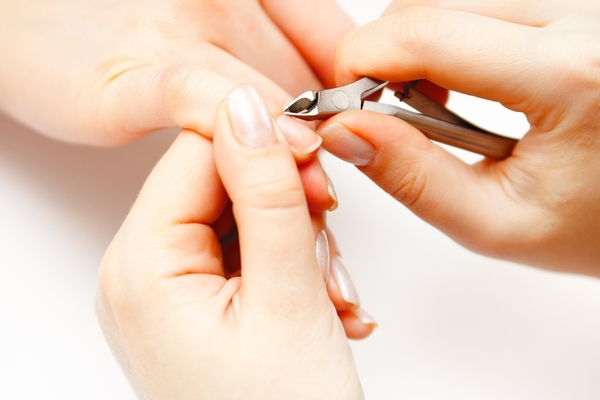
Weekly (post‑shower or soak): Gently push back cuticles using the method above. Trim only loose, dead skin flaps with sharp, sterilized nippers. Never cut living tissue.
Monthly (or as needed): If your cuticles are overgrown, use a cuticle remover gel, let it sit for 60 seconds, then push back gently. Avoid leaving the gel on longer than directed—it can irritate skin.
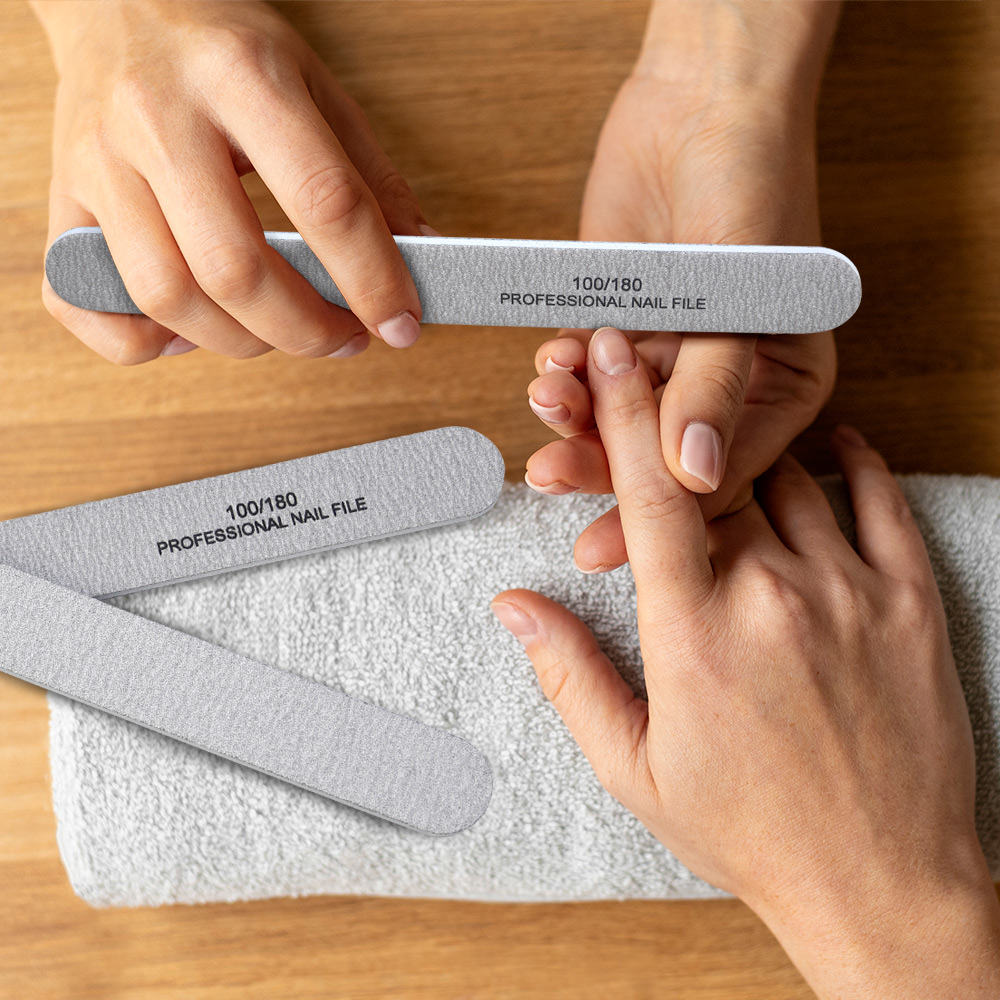
Ongoing habits: Wear gloves for dishwashing and cleaning. Apply hand cream after every hand wash. Avoid biting or picking at cuticles and hangnails. Keep a nail file handy to smooth rough edges that tempt you to pick.
Common Cuticle Care Mistakes to Avoid
Cutting the proximal nail fold. This is the number one mistake. The living ridge of skin at the base of the nail is not cuticle. Cutting it creates bleeding, pain, and a pathway for infection. It also often leads to tougher, thicker regrowth.
Using dull nippers. Dull blades crush and tear instead of cutting cleanly. Always use sharp, high‑quality stainless steel nippers.
Cutting dry cuticles. Dry skin is brittle and does not cut cleanly. You’ll end up with ragged edges that snag and tear further. Always soften first.
Skipping oil after any cuticle work. Whether you’ve pushed, trimmed, or just washed your hands, oil seals moisture in and prevents cracking.
Peeling hangnails. That tempting loose piece of skin will only tear deeper. Clip it flush with clean nippers and apply antibiotic ointment if it’s sore.
Using acetone‑based removers too often. Acetone is extremely drying. If you use gel polish, remove it with proper acetone soaks (once every 2‑3 weeks), then give your nails a break with extra oiling.
Believing cuticles need to be “completely removed.” They don’t. They need to be maintained, not eradicated. A small, clean cuticle is healthy. A raw, exposed nail fold is not.
The Bottom Line
Cuticles are not the enemy. They are your nails’ first line of defense. Treat them gently: push, don’t cut; soften before you work; and oil them like you mean it. With consistent care, you’ll avoid painful infections, grow stronger nails, and create a flawless canvas for any manicure. Healthy cuticles don’t just look good—they work hard to keep your nails safe.
Have you changed your cuticle care routine after a painful lesson? Share your story in the comments—I’d love to hear what helped you.
Read also: How to Make Your Nails Grow Faster: What Science Says and What Actually Works

One thought on “Cuticle Care: How to Treat Them Right”